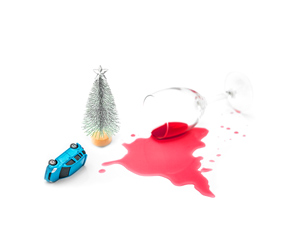
 The holidays often bring joy and togetherness. But they also
bring real risks on the road. Each year, impaired driving causes thousands of
avoidable deaths, many during the holiday season. This season, take a minute to
understand what can impair your driving—before you get behind the wheel. Taking
some simple precautions—and planning ahead—can help keep everyone safe.
The holidays often bring joy and togetherness. But they also
bring real risks on the road. Each year, impaired driving causes thousands of
avoidable deaths, many during the holiday season. This season, take a minute to
understand what can impair your driving—before you get behind the wheel. Taking
some simple precautions—and planning ahead—can help keep everyone safe.
The dangers are real
Safe driving demands focus, coordination, sound judgment and
quick reactions. Anything that affects these skills—such as alcohol—can
potentially be deadly.
The numbers are scary. In 2020 alone, 11,718 people were
killed in crashes involving alcohol-impaired drivers. That's about 30% of all
U.S. traffic deaths. By 2021, that number climbed to 13,384.
Holiday gatherings mean more drinking and late-night
parties, which creates more opportunities for impaired individuals to drive.
Keep the holidays merry and bright
Preventing impaired driving is within your control. And
making responsible choices doesn't mean missing out on the fun.
Before you go, plan ahead:
• Arrange for a sober driver before going out.
• Use a ride-hailing service or taxi instead of driving.
• When hosting, provide nonalcoholic drink options and
ensure that guests have safe rides home.
While you're out or hosting:
• Never let your friends or party guests get behind the
wheel while impaired. Take the keys if you have to.
• Don't serve alcohol to anyone under age 21.
Every time you drive:
• Always wear your seat belt—and ask your passengers to do
the same. It's your best defense against impaired drivers on the road.
• Watch for signs of sleepiness, like yawning or drifting
between lanes. Pull over to rest or switch drivers, if needed.
This holiday season, make your safety plan before the party
starts. The effects of impairing substances begin quickly and last long after
use stops. There's no shortcut to sobering up.
Sources: Centers for Disease Control and Prevention;
National Highway Traffic Safety Administration; National Institute of Alcohol
Abuse and Alcoholism; Sleep Foundation