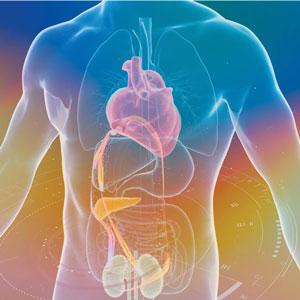
Your heart, kidneys and metabolic health are more connected than you might realize. These organs and systems work together to keep you healthy.
• Your heart and vascular system circulate blood.
• Your kidneys filter waste.
• Your metabolic system creates and uses energy from food.
If a problem develops in one of these systems, it can strain the others and lead to CKM (cardiovascular-kidney-metabolic) syndrome.
What is CKM syndrome?
CKM syndrome itself isn't a disease. It's a cluster of interconnected issues, including obesity, diabetes, and heart or kidney disease. These conditions often happen together and make each other worse.
Excess weight, for example, can often trigger other risk factors for CKM syndrome, including:
• High blood pressure.
• Abnormal cholesterol levels.
• High blood sugar.
• Decreased kidney function.
As CKM syndrome progresses, it can lead to heart failure, kidney failure, stroke, atrial fibrillation (abnormal heartbeats) and peripheral artery disease (poor circulation in the legs and feet).
Regular checkups and tests can help find CKM health problems.
One small change can make a difference
If you do have risk factors or CKM syndrome, you can take action. When you make even one lifestyle change, it can help many areas of your CKM health. For example:
Get moving. Try starting with 10-minute walks. You can increase the duration over time.
If you smoke, commit to quitting. Ask your doctor about medicines and support.
Eat well. Include a colorful variety of fruits and vegetables; whole grains; lean proteins (like skinless chicken); plant protein (like beans); and fewer salty, fatty and sugary foods.
Get a good night's rest—at least seven to nine hours of nightly sleep.
Watch your numbers. Ask your doctor what a healthy weight is for you. And learn your blood pressure, blood sugar and cholesterol numbers. If they're not where they should be, talk to your doctor about how to manage them.
Your Watson Clinic
Family Medicine or
Internal Medicine provider can help you start on a healthier path forward and offer convenient referrals to additional specialists as needed. Call 863-680-7190 to schedule an appointment.
Source: American Heart Association