Watson Clinic has built a reputation on delivering
the most comprehensive, convenient and advanced care in the area. Each of our
40 specialties epitomizes the highest level of clinical expertise and
state-of-the-art technology. The array of services and specialized care offered
through our Obstetrics & Gynecology department is no exception. Our
services include annual exams, infertility treatments and the latest 4D and
advanced ultrasound imaging, as well as minimally invasive robotic surgery, a
comprehensive bladder health/urinary incontinence program, bone density testing
and digital mammography.
For Obstetrics and
Gynecology - Choosing a physician to oversee the prenatal care
and birth of your child is a crucial decision. Take the first steps to a
healthy baby by choosing the most experienced, skilled and compassionate
obstetricians who will stand by your side during every phase of your pregnancy.
Our obstetrics team works together,
assuming different rotations of hospital delivery coverage while at Lakeland
Regional Health Medical Center. You have the option of meeting with
each of the obstetricians during the course of your prenatal care. All
physicians have access to your medical records – allowing for
individualized care when you arrive at the hospital for delivery.
When deciding on a provider for your
gynecologic care, look to Watson Clinic’s team for years of
experience and superior surgical capabilities. We perform a full range of
treatments from annual evaluations and pap smears to hysterectomies and complex
surgical procedures.
The team you trust for exceptional
services:
- Continuity
of care between all obstetricians.
- One of the
largest and most experienced OB-GYN departments in the area.
- The widest
palette of female-driven services -- including a special program for urinary
incontinence and bladder health.
- Affiliation
with University of South Florida’s In vitro fertilization specialists
for on-site consultation and assistance with pregnancy planning.
- The
convenience of two Lakeland offices to serve you – one north and one
south. Patients are active participants in their own care. Watson
Clinic’s comprehensive multi-disciplinary approach to healthcare
– from conception to infancy and adolescence through adult and senior
years.
Ultrasound
Imagery - The future of ultrasound imagery is
available to our expectant mothers-to-be. Generally performed at between 28-32
weeks gestation, the 4-D ultrasound imagery will be digitally captured in all
of its stunning clarity and detail. Performed in a warm and familial setting,
our ultrasounds are designed to offer a profound bonding time between family
and baby. The patient is given a CD-ROM record of the ultrasound consisting of
both live and still footage, from which they can relive these precious moments
for a lifetime.
View our Imaging Technology Brochure.
Bladder Health Issues -
Many women may experience urinary or fecal incontinence issues as
a result of the childbirth process. This common occurrence is one that
is treatable and often completely curable. Watson
Clinic’s OB-GYN department takes the shame out of
these dysfunctions and offers a comprehensive slate of services designed to
restore a patient’s sense of relief and well-being. Our expert team
offers versatile options in their treatment of such disorders, ranging from
medications and biofeedback to diet therapy, nerve stimulation and surgical
options.
Infertility
Counseling - The advancement in medical
technology has allowed more women than ever to experience the wonders of
childbirth. Certain health disorders and infertility issues no longer need to
hinder women from participating in the miracle of new life creation.
State-of-the-art In Vitro Fertilization (IVF)
consultations are available during office hours in our
Bella Vista Building. Following
consultations performed at our facility, qualified patients may travel to the
Center for Reproductive Medicine (CRM) campus for IVF procedures, during which
the sperm and the egg are joined safely, discreetly and effectively in a lab
setting.
Mammography -
The OB-GYN department offers mammography referrals to the
Watson Clinic Highlands facility located
at 2300 East County Road 540A and the
Watson Clinic Women’s Center,
located just south of the Main Clinic at 1400 Lakeland Hills Boulevard.
Designed with a welcoming feminine appeal, the Women’s Center offers
the latest in digital mammography capabilities and houses a team of expert
mammographers and women’s care specialists. All results are available
through Watson Clinic’s electronic medical record system, allowing
enhanced continuity of care between all Watson Clinic practitioners and the
experts at the
Watson Clinic Cancer & Research
Center should any form of breast cancer be detected.
We also offer
diVa®
Laser Vaginal Therapy, which is an FDA approved
specialized laser for the improvement of vaginal health and functionality. The
vagina, much like any other part of the body, is susceptible to changes as
women age. Milestones such as childbirth and menopause can also contribute to a
decline in vaginal health. diVa
® is a laser
therapy solution that corrects these intimate challenges and can improve
laxity, lubrication, and leakage while enhancing confidence and
self-esteem.

Sciton recently recognized Watson
Clinic's OB-GYN department as a
"2018
diVa® Diamond Center for
Excellence."
Forever Bare
BBL™ from
Sciton® is an
innovative advancement in hair removal devices providing the patient with a
treatment that is thorough, fast, safe and comfortable.
Board-certified obstetric
physicians…all invested and unified in caring for you!
Forms:
Education Classes for New Moms and
Dads:
Obstetrics - Gynecology Physicians
& Providers:
- Medical
School: William Carey University College of Osteopathic Medicine, Hattiesburg,
MS, DO
- Residency:
Louisiana State University Health Science Center, Baton Rouge, LA, Obstetrics
and Gynecology
- Board-eligible: Obstetrics and
Gynecology
- Member:
American College of Obstetrics and Gynecology
- Medical
School: Medical College of Georgia, Augusta, GA, MD
- Internship
& Residency: Winnie Palmer Hospital for Women and Babies, Orlando, FL,
Obstetrics and Gynecology
- Board-certified:
Obstetrics and Gynecology
- Member:
American Congress of Obstetrics and Gynecologists, American Medical Association
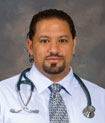
 Medical School: Creighton University School of Medicine, Omaha, NE,
MD
Medical School: Creighton University School of Medicine, Omaha, NE,
MD
- Residency:
University of Miami/Jackson Memorial Hospital, Miami, FL, Obstetrics and
Gynecology
- Board-certified:
Obstetrics & Gynecolgy; Subspecialty in Urogynecology and Reconstructive Pelvic Surgery
- Focused
Practice Designation in Minimally Invasive Gynecologic Surgery
 Fellow: American Congress of Obstetricians and
Gynecologists, American College of Surgeons
Fellow: American Congress of Obstetricians and
Gynecologists, American College of Surgeons
- Member: Alpha
Omega Alpha Medical Honor Society, Southern Medical Association, William A.
Little Society, Society of Laparoendoscopic Surgeons, Physicians for
Women’s Health, Christian Medical and Dental
Association, Florida Obstetric and Gynecologic Society, American
Urogynecologic Society, American Association of Gynecologic
Laparoscopists
- Areas of
Special Interest: Pelvic Pain, Pelvic Organ Prolapse, Sexual Dysfunction,
Menopausal Symptoms, Contraception, Advanced Pelvic Reconstructive Surgery,
Urinary and Fecal Incontinence, Infertility
- Awards:
Recognized by the Surgical Review Corporation (SRC) as a Surgeon of Excellence
in performing robotic surgical
procedures, InterStim™
Center of Excellence by Medtronic, Finalist in The Ledger's Best of
Central Florida 2022
- Medical
School: University of Tennessee College of Medicine, Memphis, TN, MD
- Internship:
University of Miami / Jackson Memorial Hospital, Miami, FL, Obstetrics and
Gynecology
- Residency:
Louisiana State University, New Orleans, LA, Obstetrics and Gynecology
- Board-certified:
Obstetrics and Gynecology
- Fellow:
American Congress of Obstetricians and Gynecologists
- Member:
American Medical Association, Association of Gynecologic Laparoscopists,
Florida Medical Association, Southern Medical Association, Florida OB-GYN
Society, Polk County Medical Association
- Medical
School: University of Health Sciences College of Osteopathic Medicine, Kansas
City, MO, DO
- Internship:
Oklahoma State University College of Osteopathic Medicine, Tulsa, OK
- Residency:
University of Florida College of Medicine, Pensacola, FL, Obstetrics and
Gynecology
- Board-certified:
Obstetrics and Gynecology
- Fellow:
American Congress of Obstetricians and Gynecologists
- Member:
American Medical Association, American College of Obstetrics and Gynecology,
American Association of Gynecologic Laparoscopists, Florida Obstetric and
Gynecologic Society, Polk County Medical Association
- Areas of
Special Interest: Permanent birth control solutions
- Nursing
School: Polk State College, Winter Haven, FL, ASN
- Masters
Program: Frontier Nusing University, Hyden, KY, MSN
- Member:
Advanced Cardiac/Basic Life Support, National Certification Center
(NCC) for External Fetal Monitoring, Neonatal Resuscitation Program
- Supervising
Physician: Tarek Garas, MD
- Nursing
School: Polk State College, Winter Haven, FL, ASN
- Masters
Program: Frontier Nursing University, Hyden, KY, MSN
- Member:
American Association of Nurse Practitioners, Sigma Theta Tau, Polk County
Advanced Practice Nurses Association, Florida Board of Nursing
- Supervising Physicians: Samantha J. Curtis, MD
- Undergraduate Degree: University of Florida, Gainesville, FL, BS, Biology
- Masters Program: Lincoln Memorial University, Harrogate, TN, MMS, Physician Assistant Studies
- Member: American Academy of Physician Assistants, Association of Physician Associates in Obstetrics and Gynecology
- Supervising Physician: Tarek Garas, MD
- Nursing
School: University of Central Florida, Orlando, FL, BSN
- Masters
Program: University of Central Florida, Orlando, FL, MSN
- Masters
Program: Frontier Nursing University, Hyden, KY, MSN, Women's Health Nurse
Practitioner
- Member:
American College of Obstetricians & Gynecologists, Nurse Practitioners
in Women’s Health, Electronic Fetal Monitoring Certified
- Supervising Physicians: J. Brian Hopper, MD and Donald Langley, DO
- Nursing
School: Florida State University, Tallahassee, FL, BSN
- Masters
Program: Palm Beach Atlantic University, West Palm Beach, FL, MSN
- Doctorate Program: Palm Beach Atlantic University, West Palm Beach, FL, DNP
- Member: American Academy of Nurse Practitioners, American Association of Nurse Practitioners
- Supervising Physicians: J. Brian Hopper, MD and Donald Langley, DO
Obstetric Hospitalist Physician:
- Medical
School: Philadelphia College of Osteopathic Medicine, Philadelphia, PA, DO
- Internship
& Residency: St. Luke’s Hospital, Bethlehem, PA, Obstetrics
and Gynecology
- Board-certified:
Obstetrics and Gynecology
- Member:
American Osteopathic Association, American College of Osteopathic Obstetricians
and Gynecologists
Please call 863-680-7243 for additional information.